peter’s story
The Journey Begins
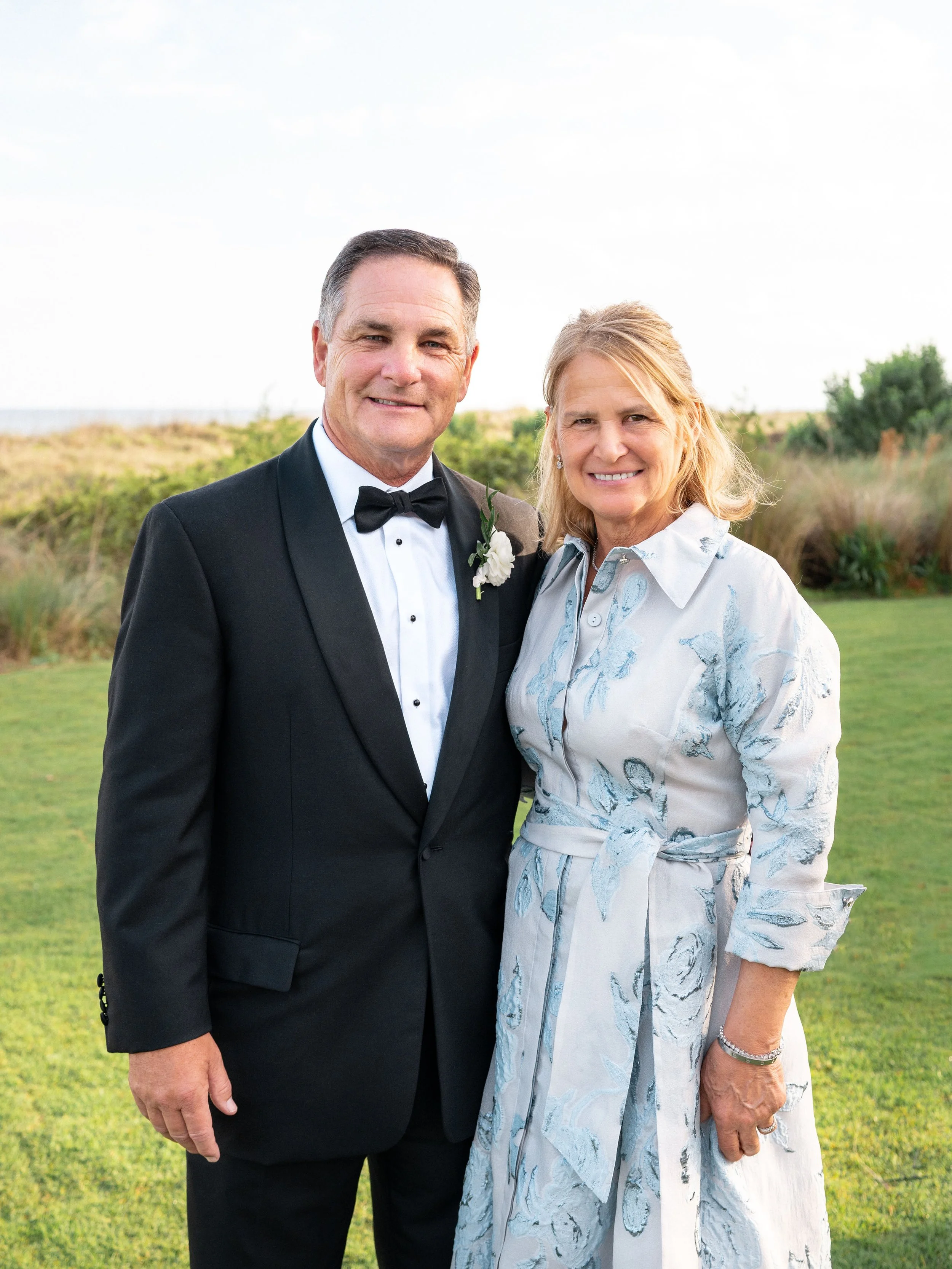
It was August 16th, 2024, when my wife Sandy and I met with a neurologist in Jupiter, Florida. The meeting was brief and to the point as she confirmed what we feared and expected: I had Amyotrophic Lateral Sclerosis (ALS). While there was an attempt to provide comfort, there was no escaping the diagnosis. A disease that is incurable and progressive, robbing its victims of muscle control and eventually extinguishing life.
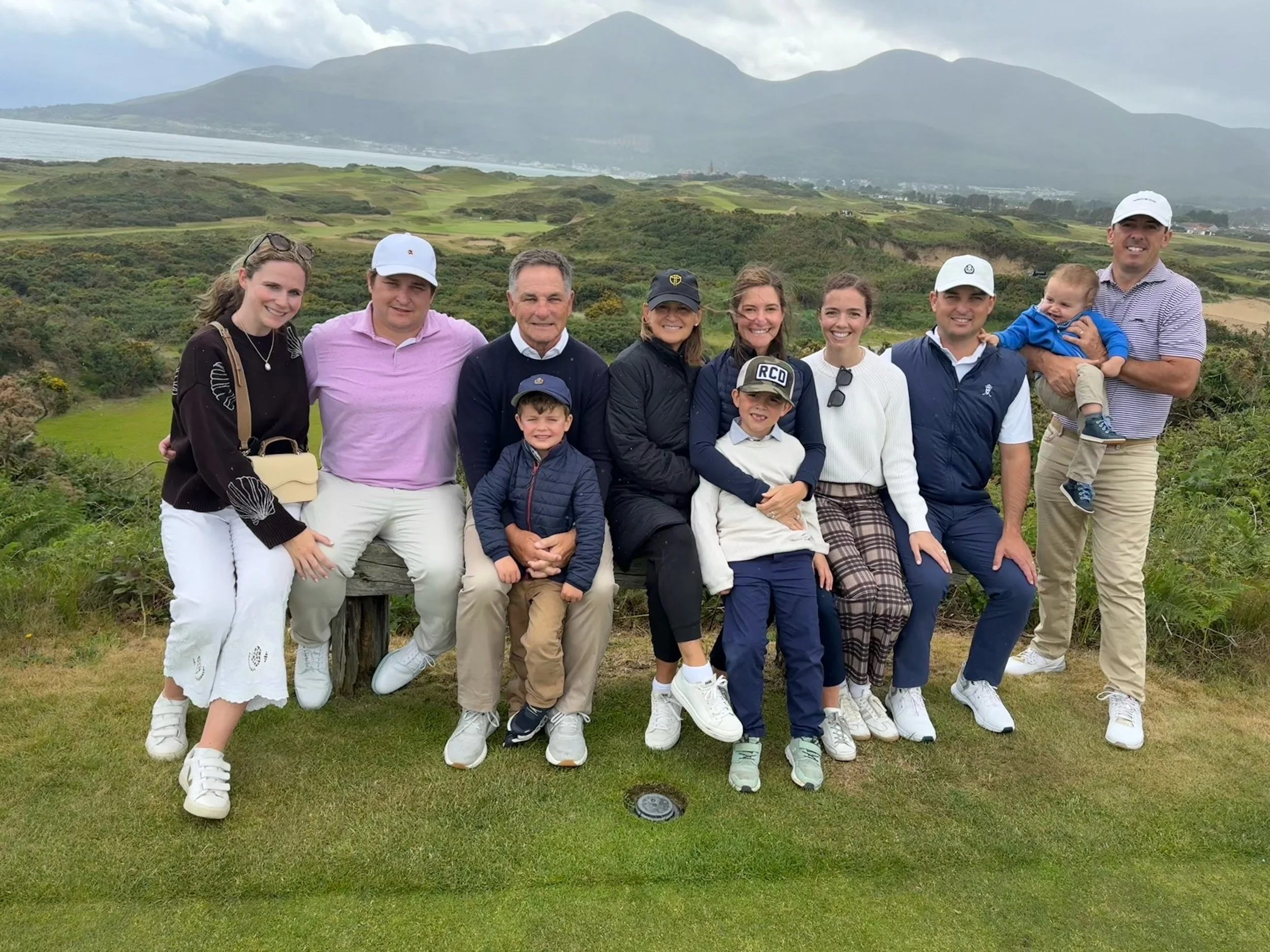
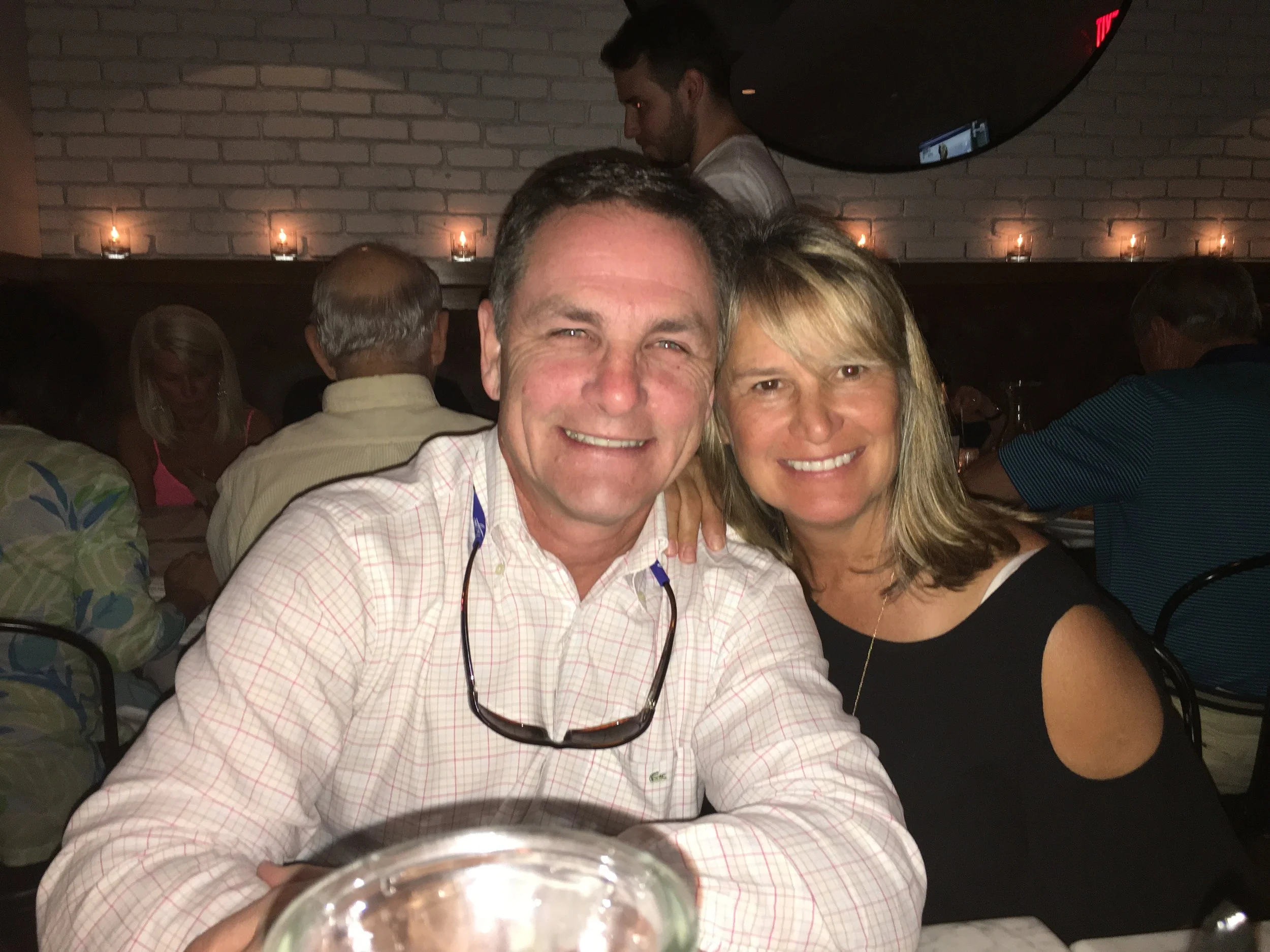
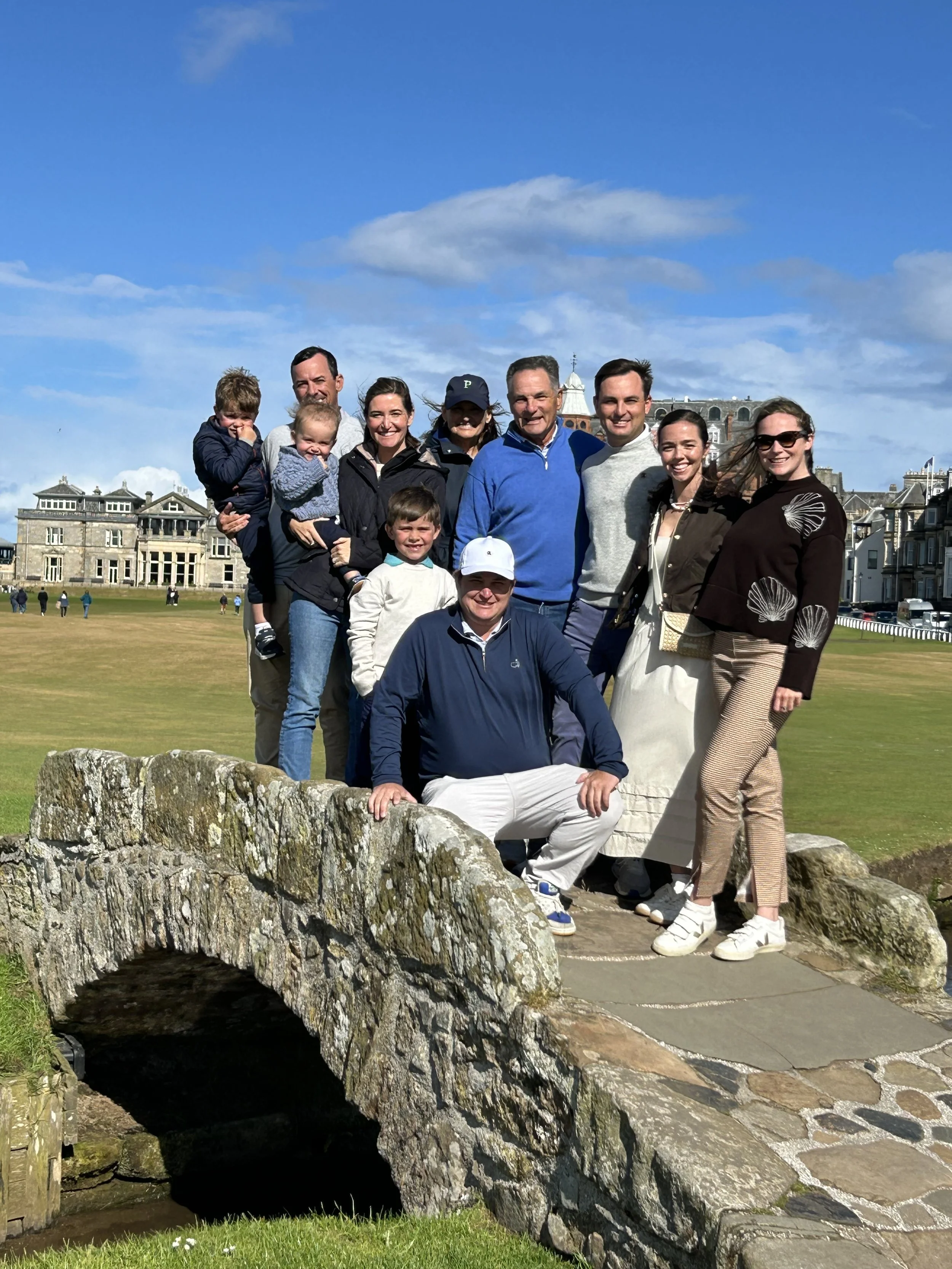
In the aftermath of the appointment, we instinctively reached out to our kids and family who had been on this journey with me leading up to this final diagnosis. By that evening, we were together as a family—supporting each other and plotting the next chapter as a family living with the harsh reality of ALS.
Pre-Diagnosis
While August 16th marked the formal start of this chapter, my ALS journey began almost 12–18 months earlier with the onset of symptoms. The first visible symptom was muscle twitches (fasciculations) which appeared in my legs, then progressed to my arms and abdomen.
The other early symptom was the occasional slurred word, undetected by others but noticeable to me. As a lifelong hypochondriac, these symptoms, though not abnormal individually, together were concerning and led to discussions with doctors who recommended follow-up with a neurologist.
Over the months, we met with multiple specialists who conducted a series of tests. All were negative, providing temporary comfort. The next symptom was weakness in my left ankle (drop foot), which alone could indicate many things, but combined with other symptoms, it checked too many boxes to ignore. By summer 2024, I returned to a neurologist for further tests, which confirmed what my heart and mind already suspected.
This elongated path to diagnosis is common for people living with ALS (PALS). The challenge is finding clinicians able and willing to make the difficult diagnosis.
Post-Diagnosis
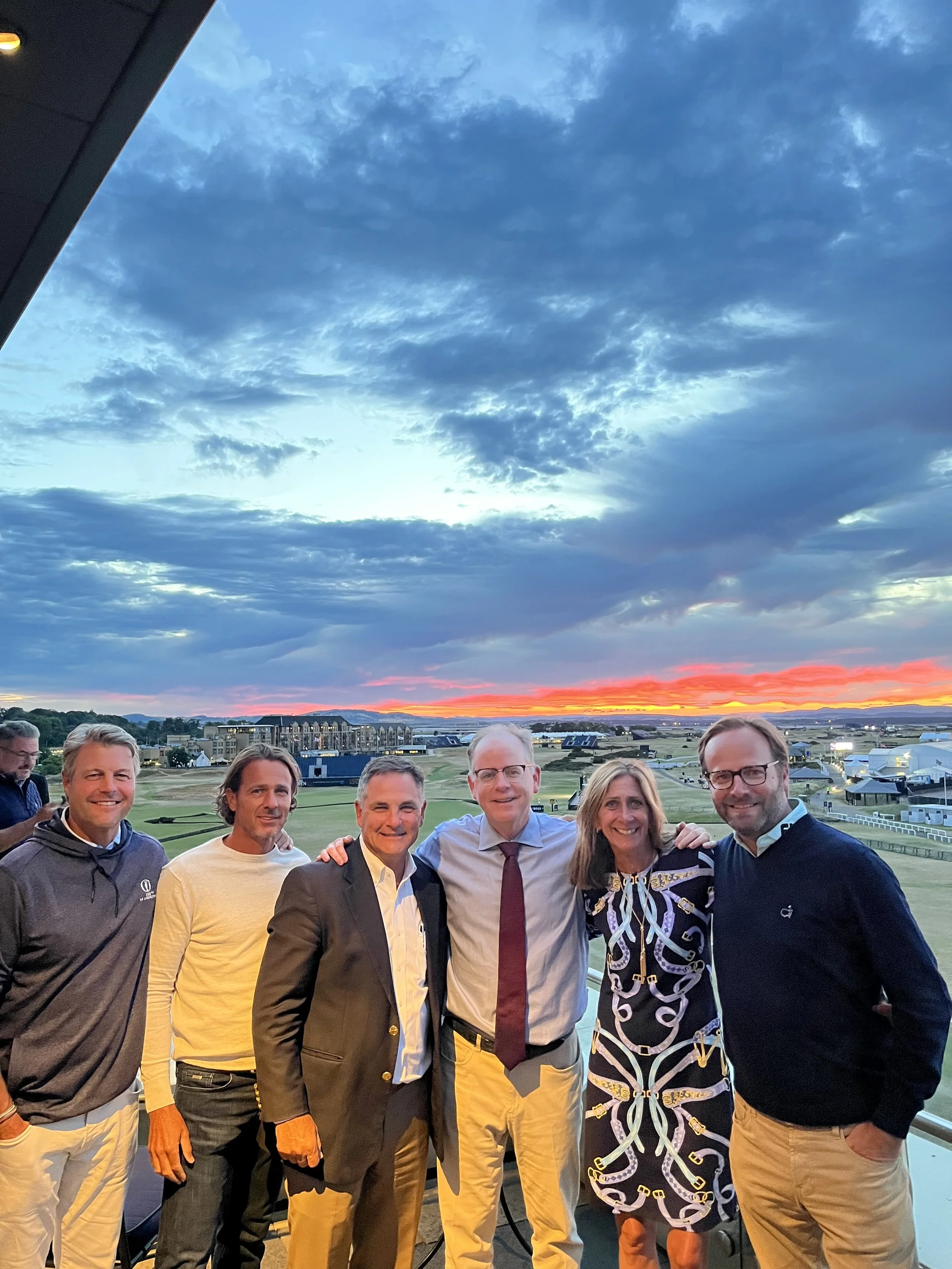
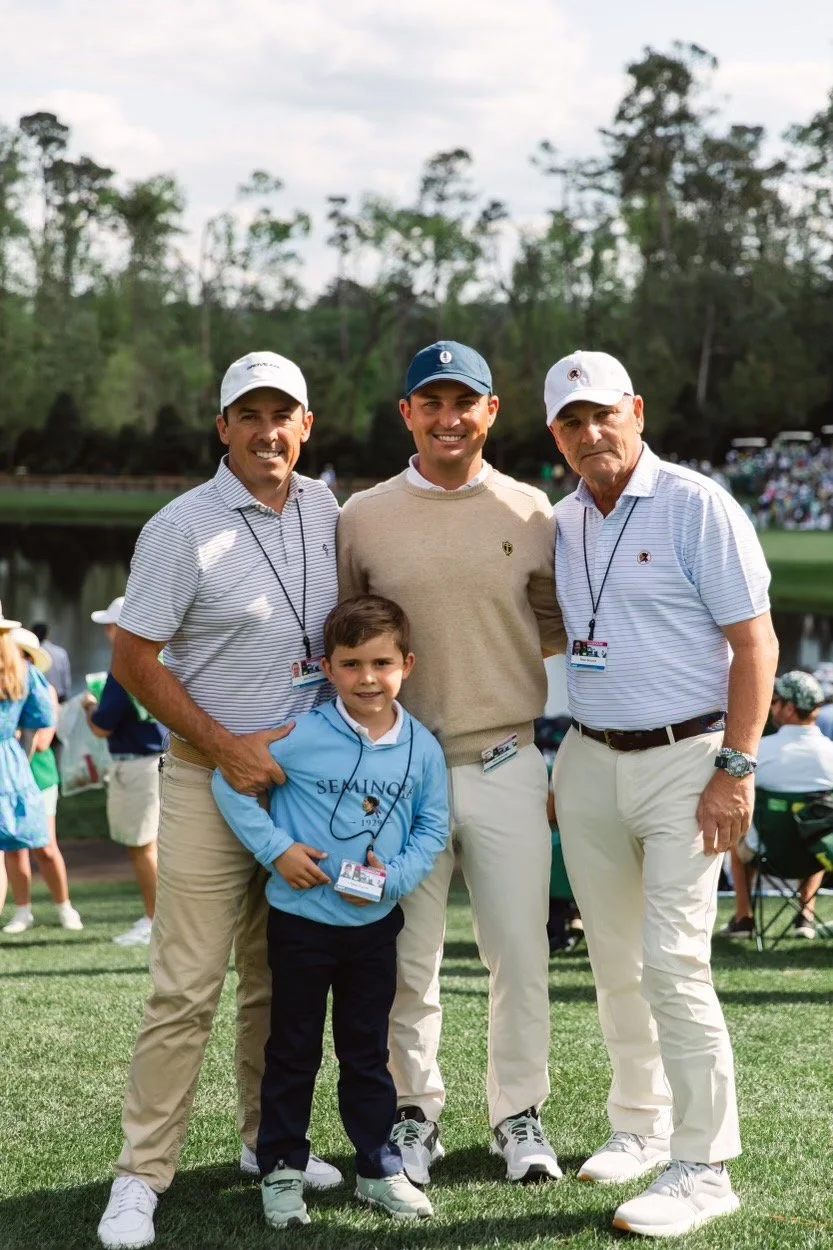
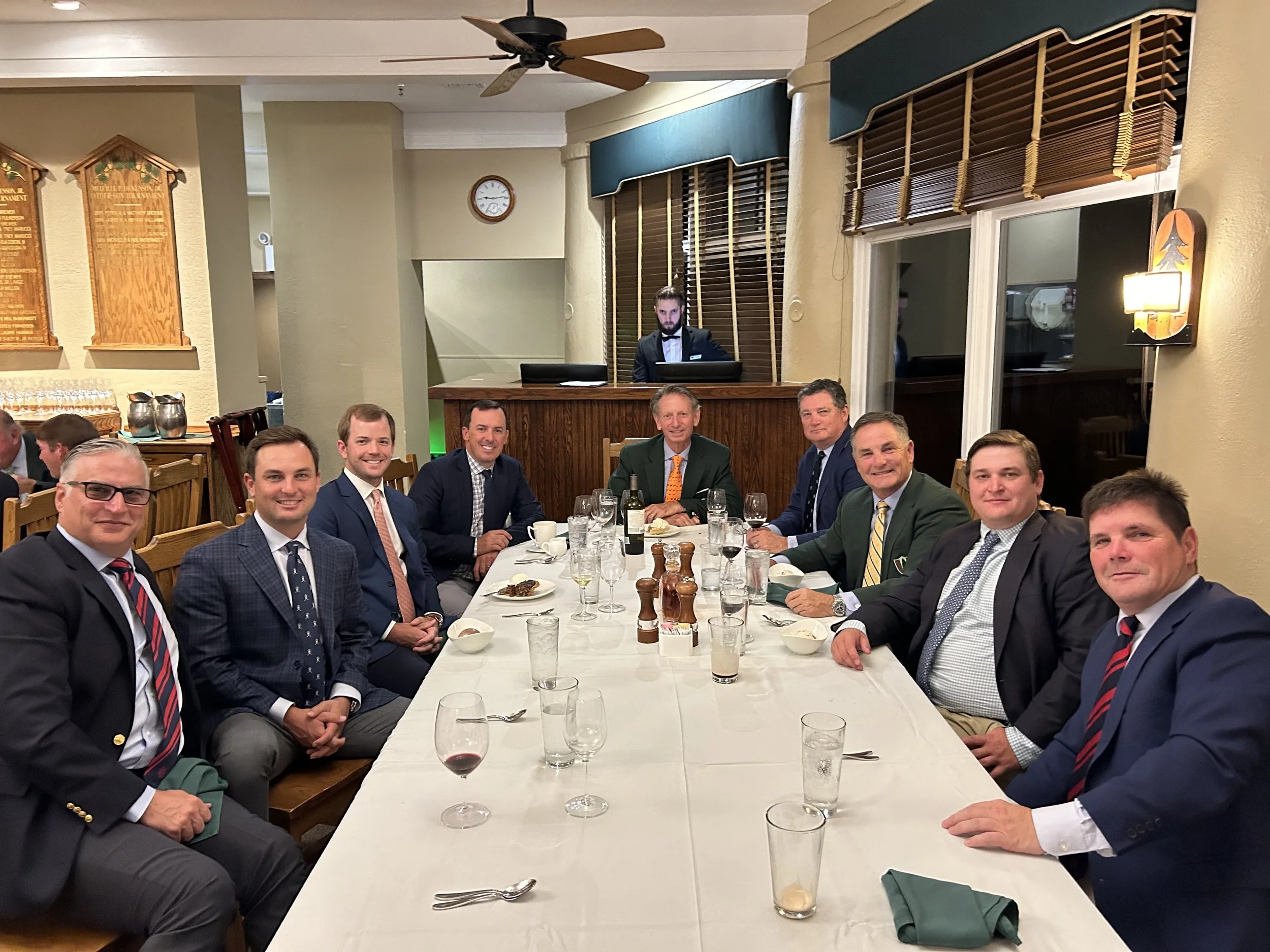
On day two of this new chapter, we widened the circle of awareness and educated everyone on the condition, including who and where offered the best treatment. Early in this process, we experienced the first of many blessings: the outpouring of support from family, friends, and the golf community.
This community—primarily forged through golf—wrapped a blanket around us and helped ensure access to top experts. While the weeks that followed were emotional, inspiration from family and friends provided guidance, hope, and a newfound energy.
We connected with leading specialists from institutions such as Mayo, Johns Hopkins, Duke, McGill, and Mass General. These visits confirmed treatment options and, above all, hope. We were introduced to an ecosystem of scientists and physicians dedicated to providing treatment for today while establishing better treatments for tomorrow.
We also attended the World Symposium on ALS/MND, a gathering of over 1,300 people representing the broader network of dedicated individuals. The existence of this committed community is the second blessing of our journey.
The third blessing came when we determined my form of ALS—genetic or sporadic. Only a small percentage (<10%) have the genetic form, which carries risk for family members. Thankfully, my form was sporadic, meaning my loved ones would not be physically affected.
With guidance from multiple clinics and disciplines, we began a counterattack: medication, physical therapy, speech therapy, acupuncture, diet modifications, and participation in experimental drug trials. Through our network and recommendation from our primary ALS physician, I joined a Phase 1 drug trial at the Montreal Neurological Institute at McGill University.
The McGill Drug Trial
This experimental trial aimed to re-establish the connection between motor neurons and muscles. The trial included near-weekly visits to Montreal and seven lumbar punctures to inject the drug directly into the spinal cord.
While the trial concluded without obvious improvements, we are grateful to have participated and to have expanded our network to include the Neuro team, who are now part of our extended family.
The Trials and Journey Continue
With guidance from Mass General and input from others in our circle, we continue with treatments and trials to slow progression while providing research data. My condition is slow progressing, which offers some consolation, though mobility, independence, and speech are impacted. Nutrition is supplemented via feeding tube, but communication with friends and family remains strong, and the support from loved ones is more meaningful than ever.
Through this journey, it became clear that my new community—the ALS family—needs our help to build awareness and funding for further research. This is our opportunity to make a tangible difference in the fight against ALS.
Our Mission in Action
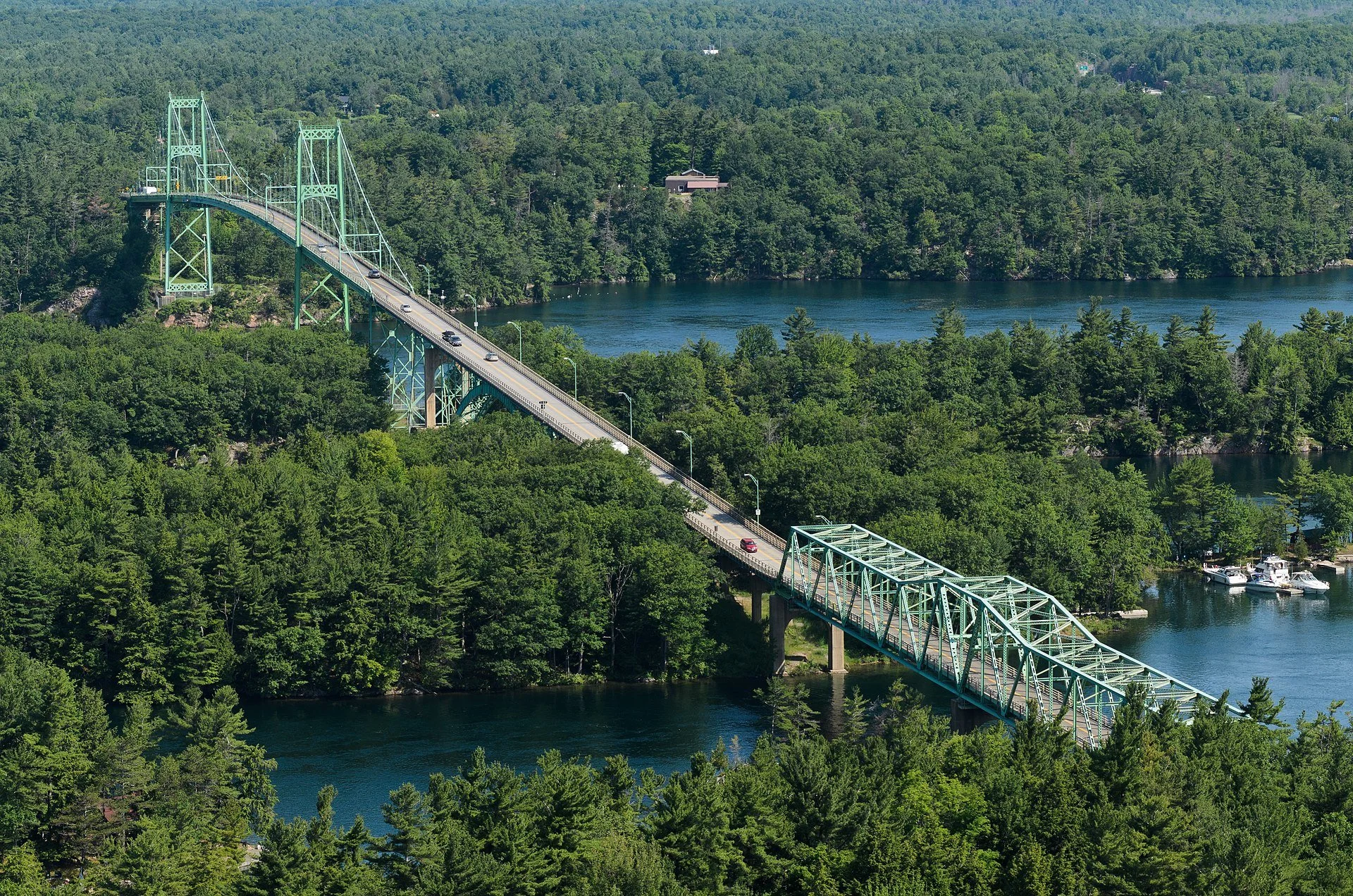
The ALS Bridge Foundation’s mission is to accelerate the development of effective ALS treatments by funding early-stage drug trials and improving access to early diagnostics. We strive to bridge the gap between research and patient solutions, ultimately creating a future where ALS is a treatable condition.